

- Dates
- 4–6 November 2025
- Place
- Cascais, Portugal
- Role
- Speakers
- Presentation
- Advanced Automation Paradox & Commercial AviationFabrizio Interlandi and Giacomo Belloni
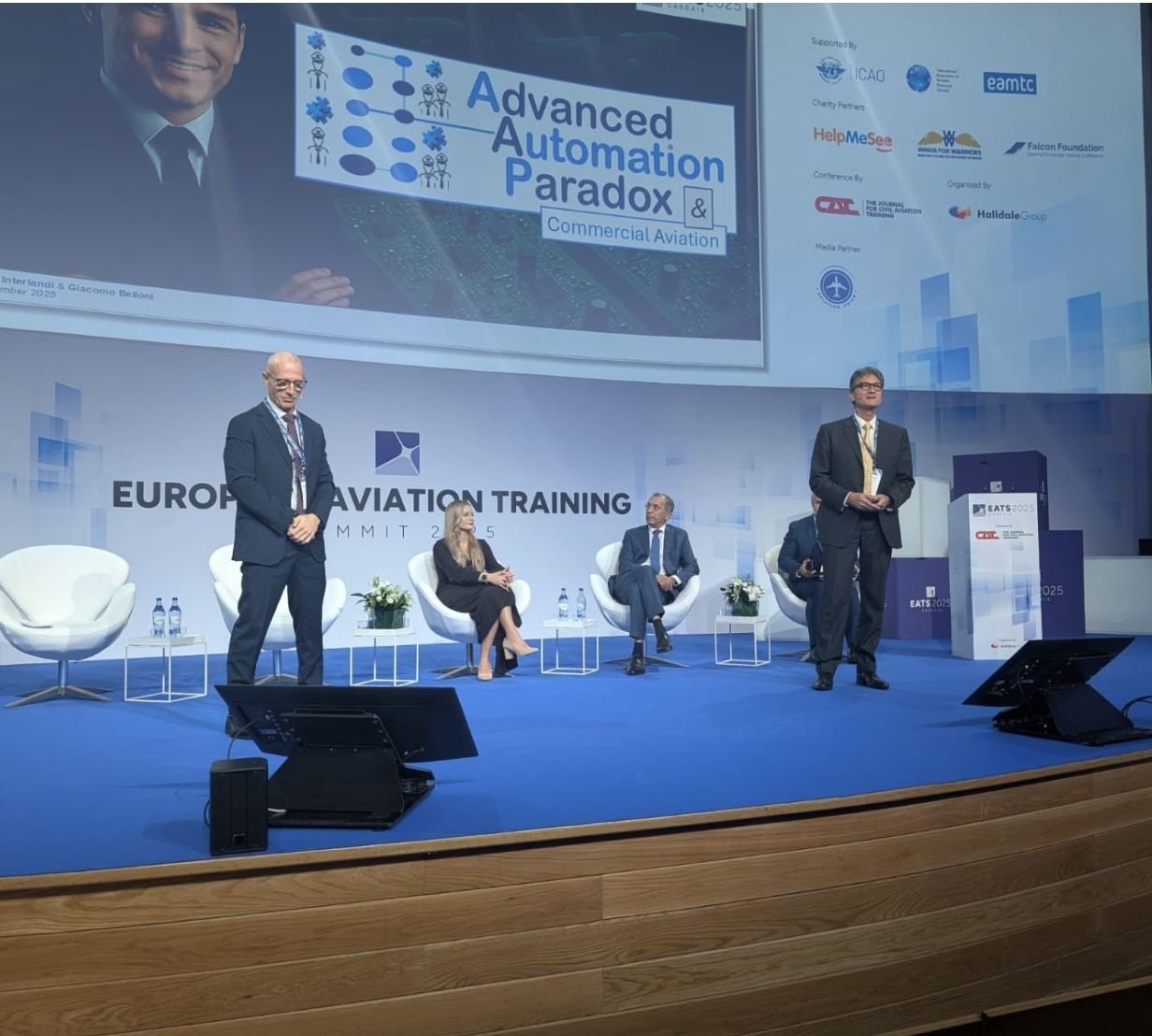
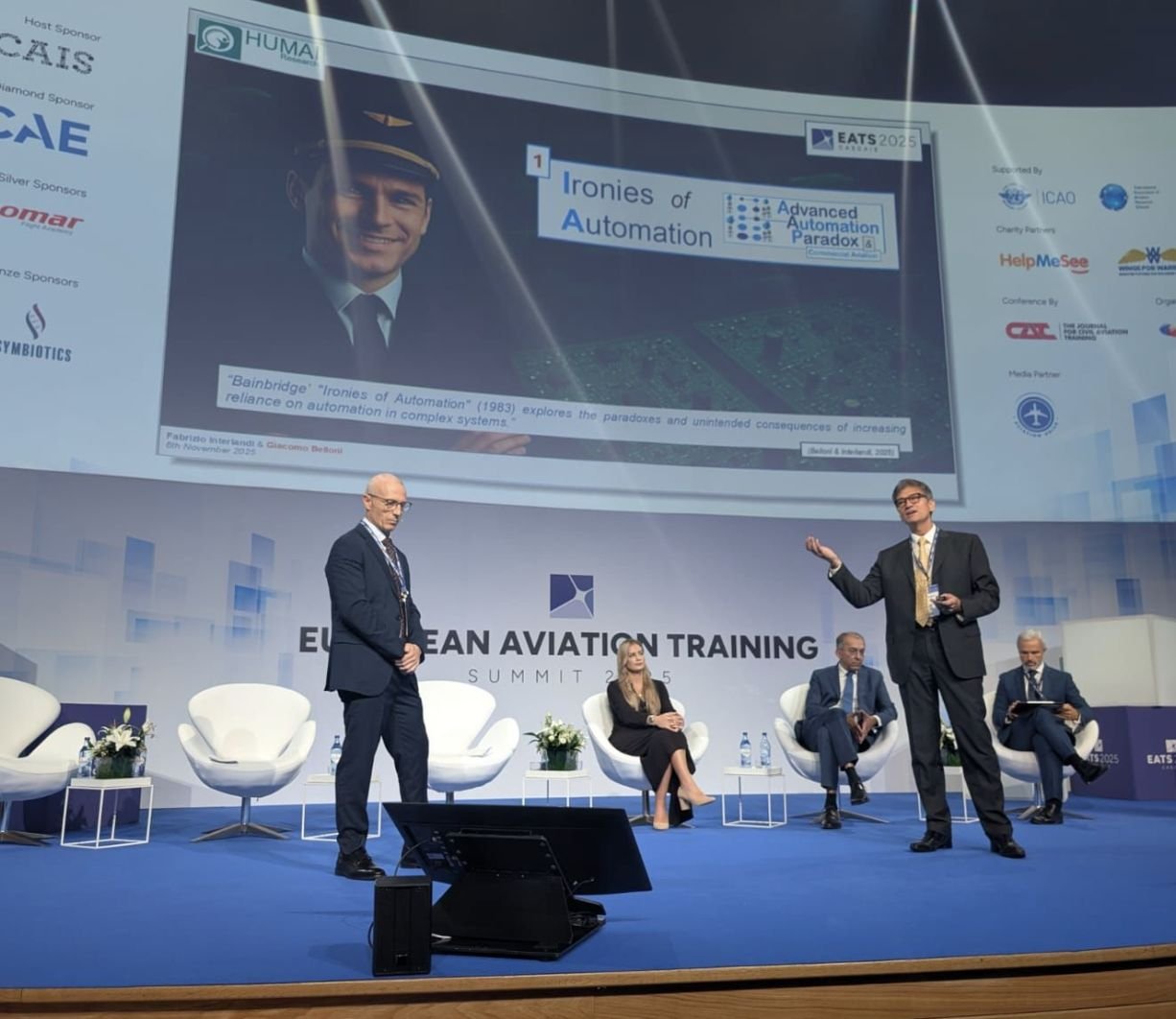
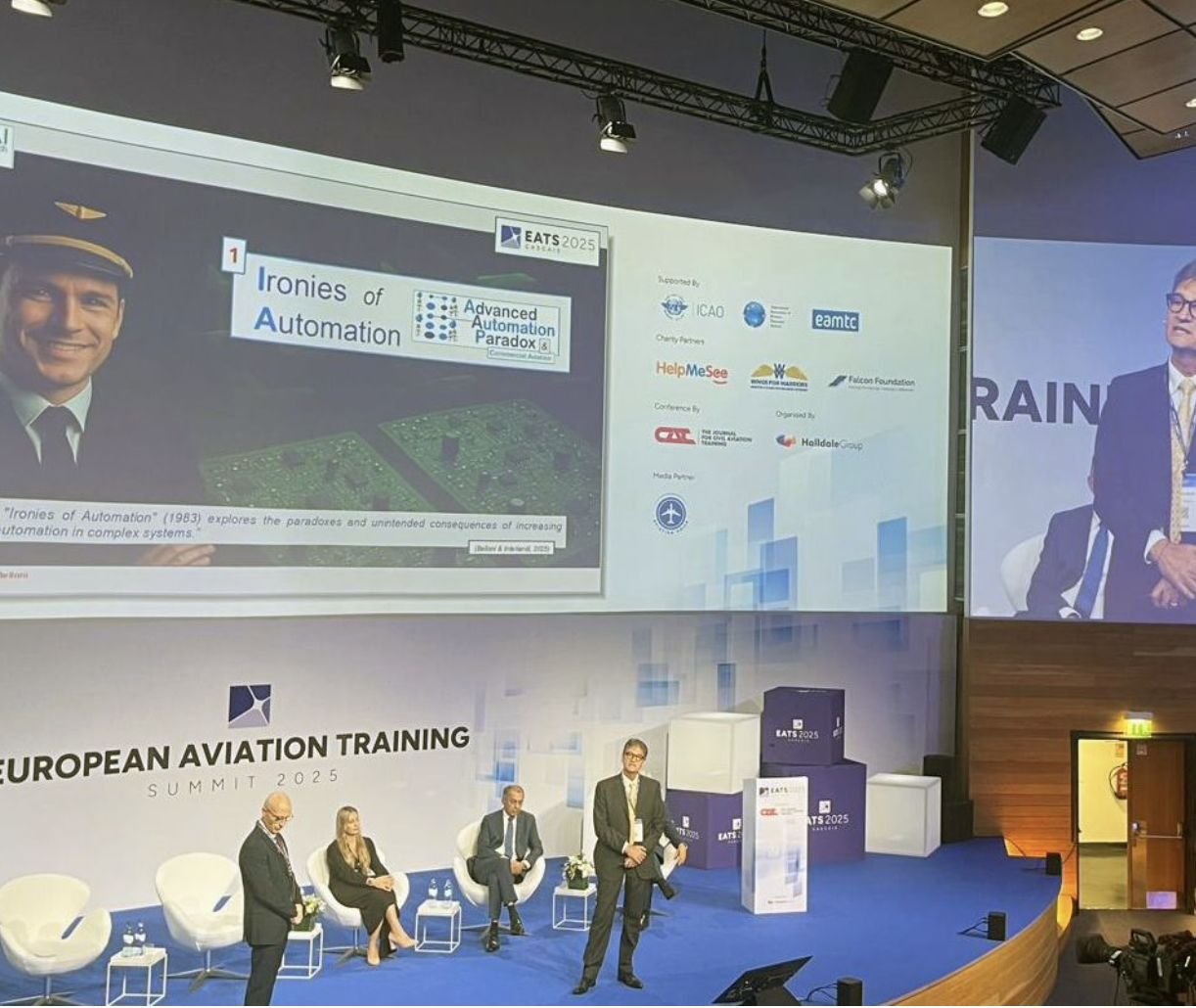
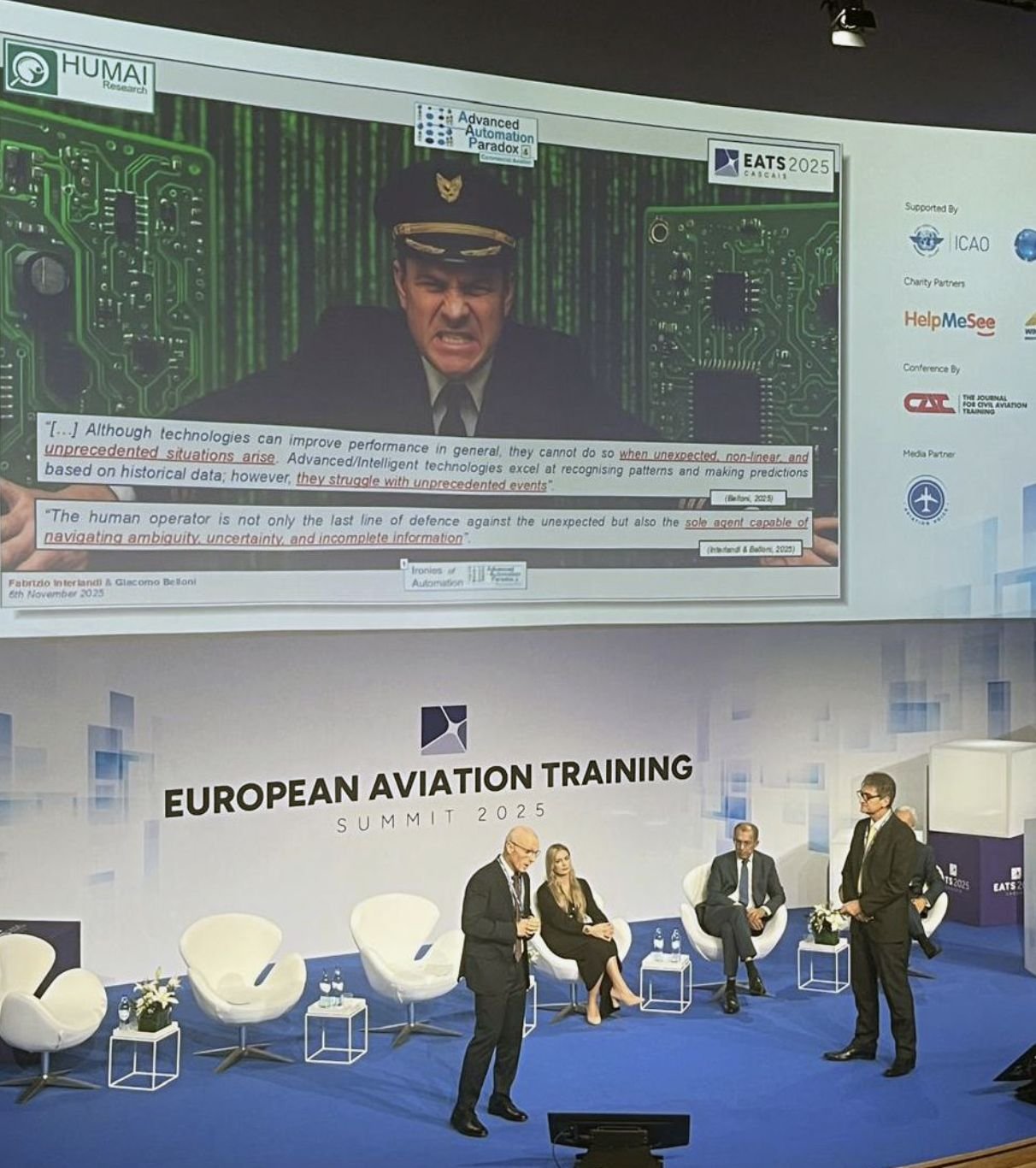
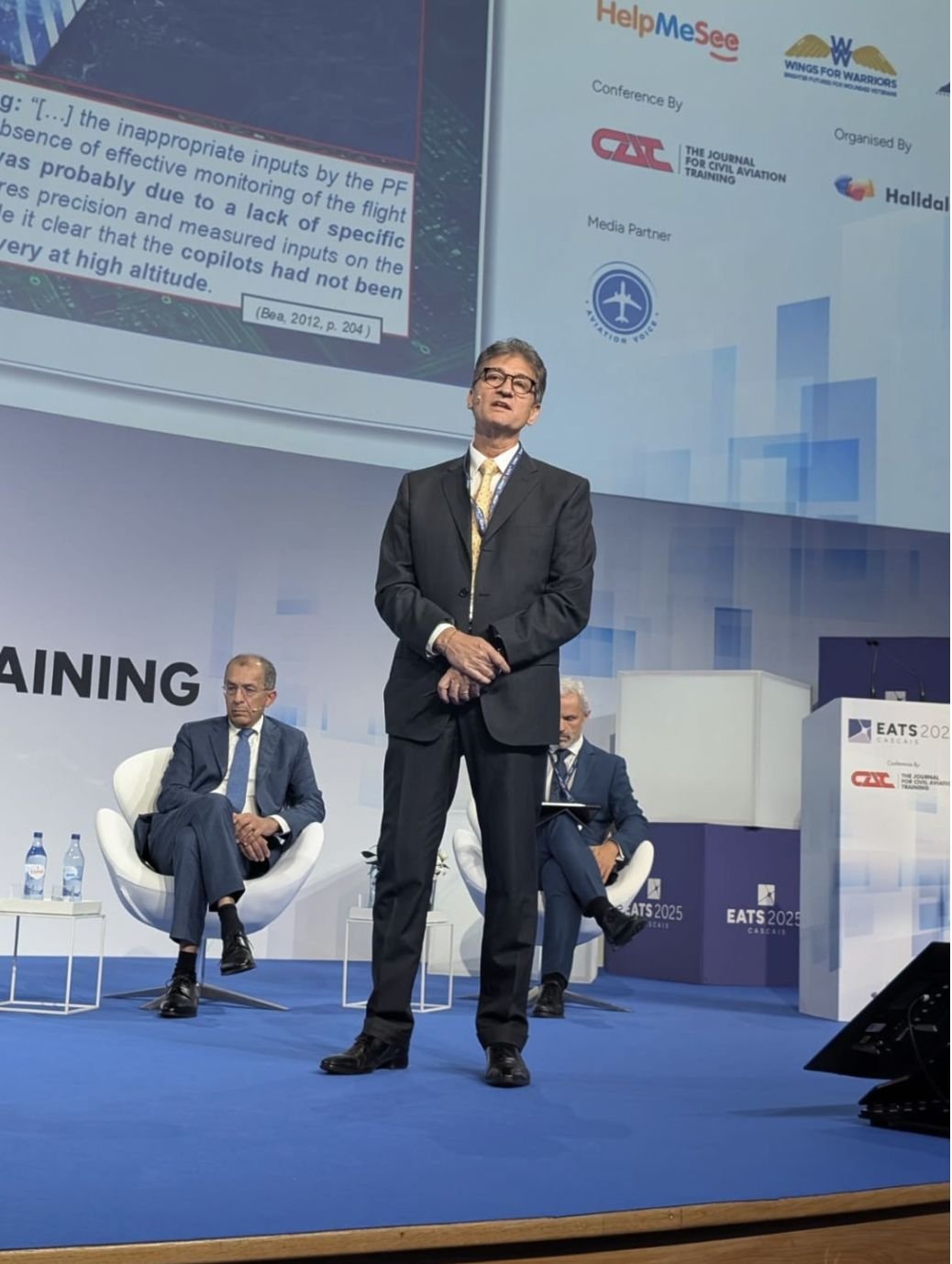
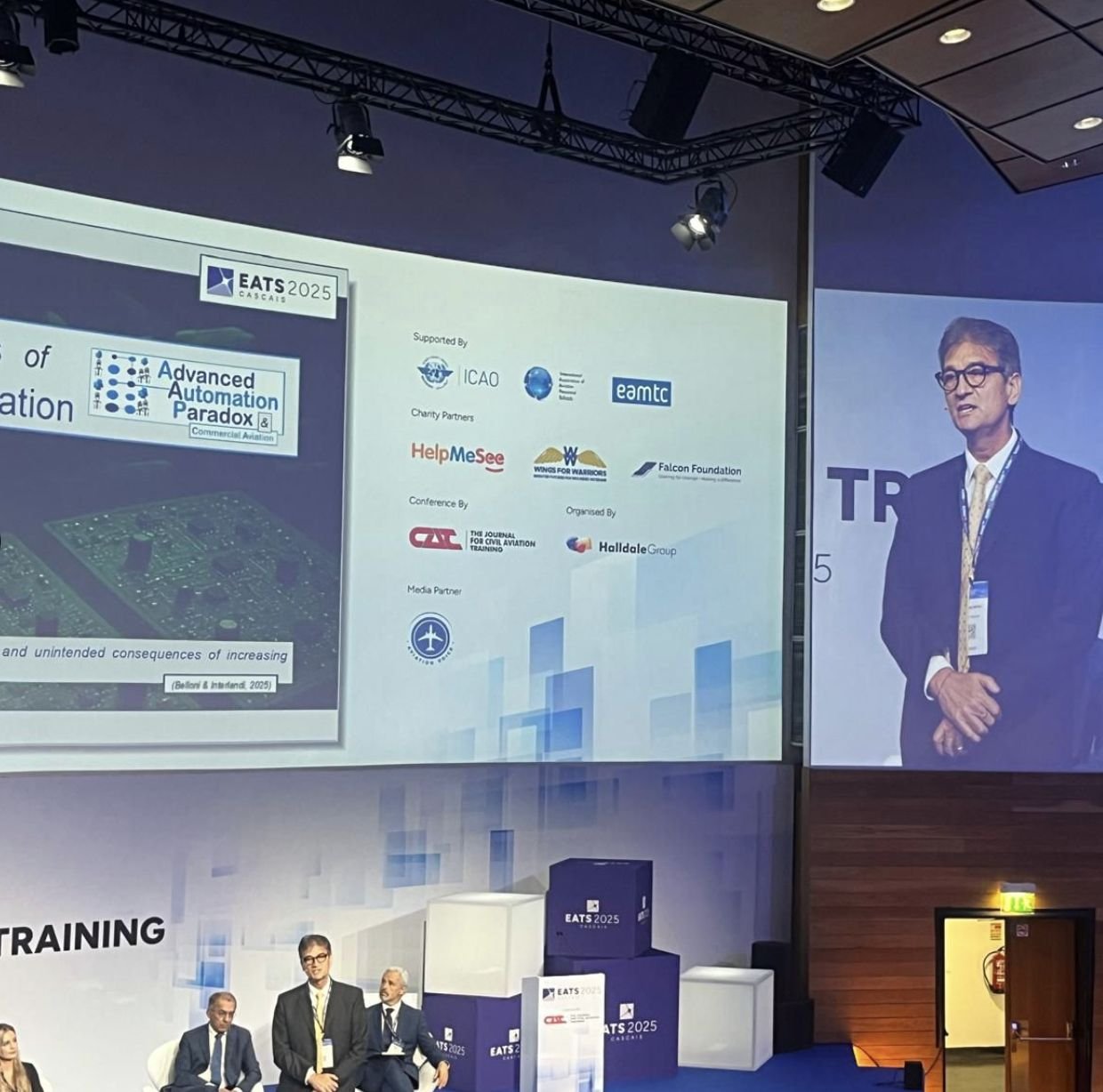
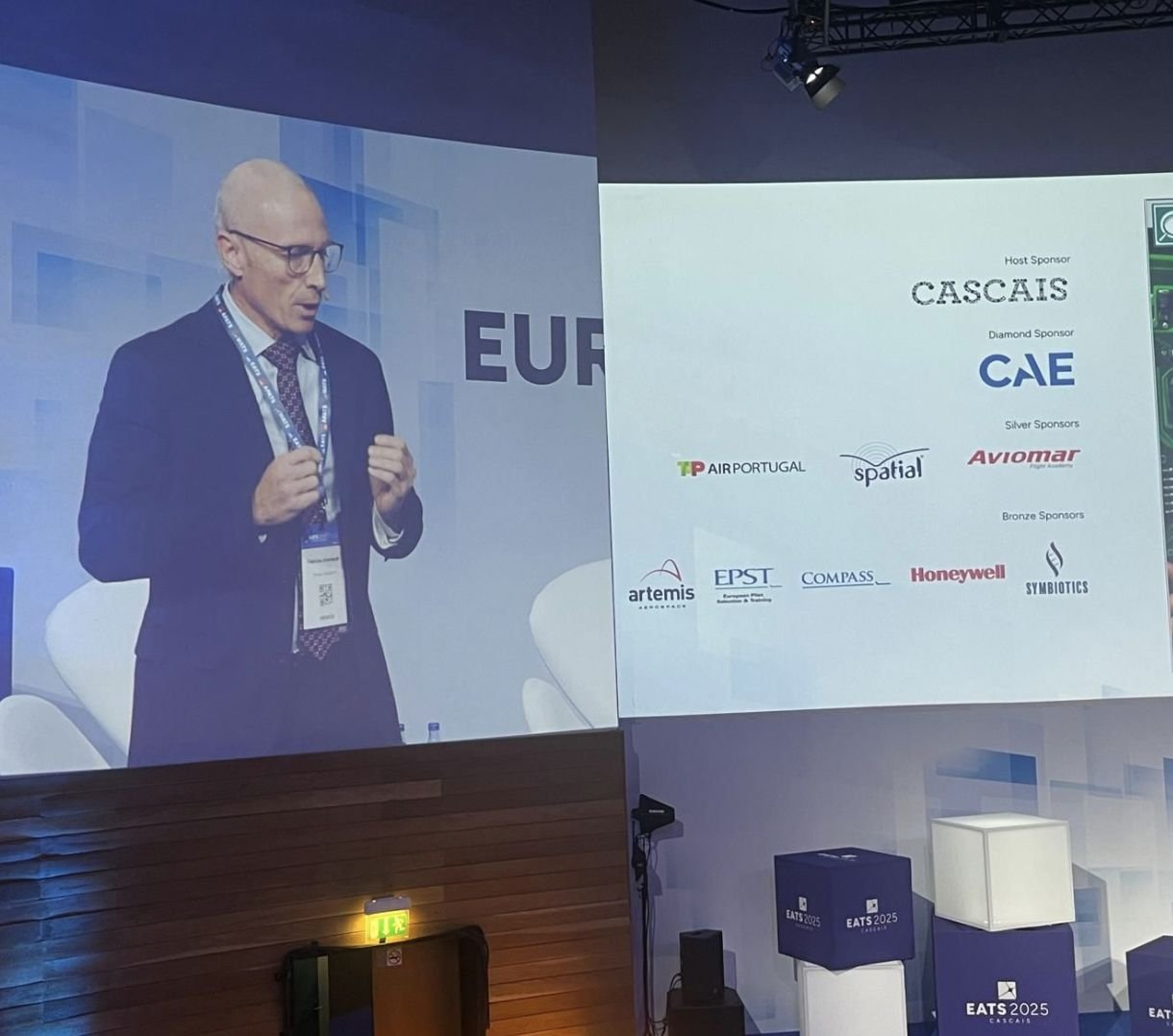
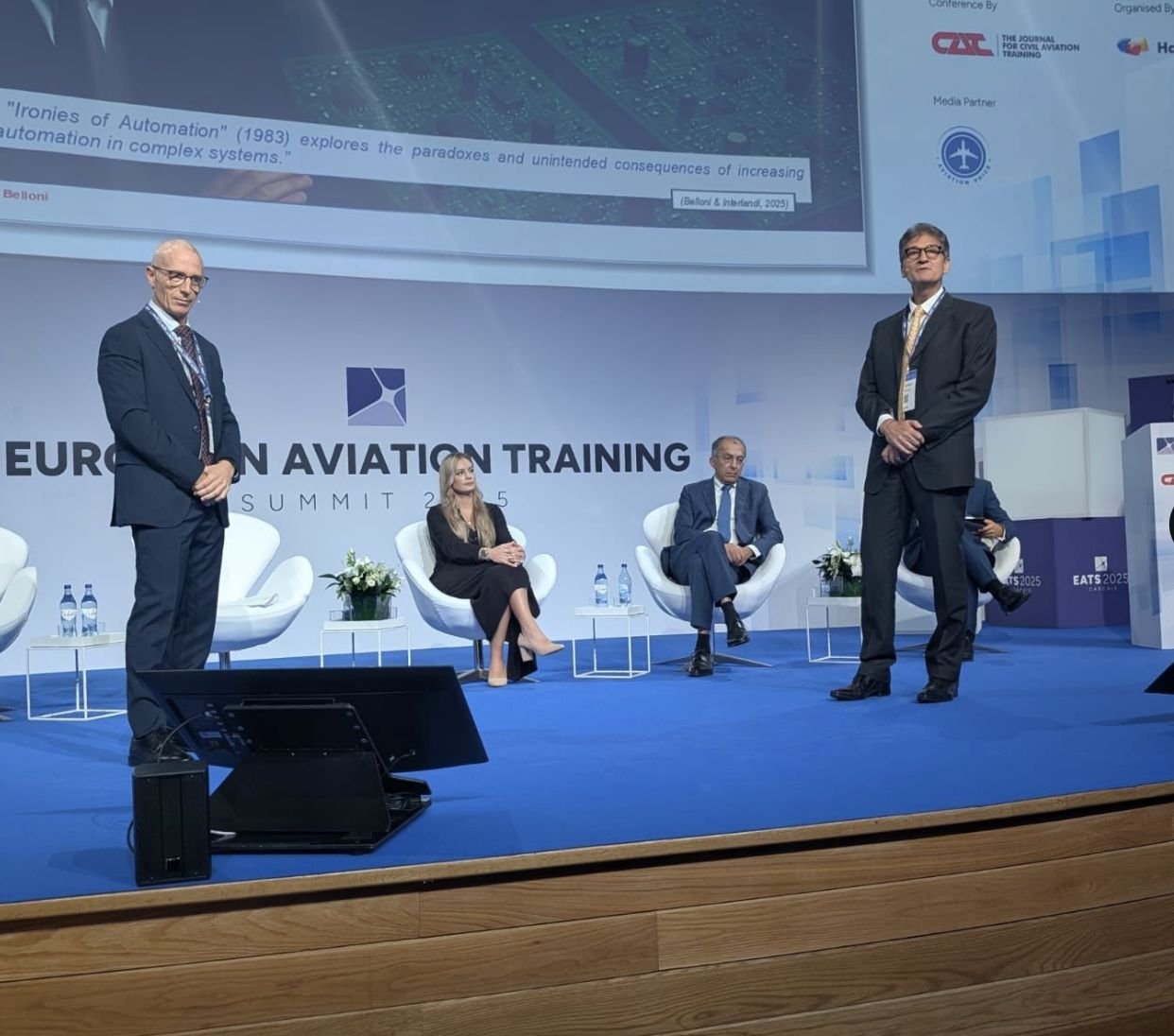
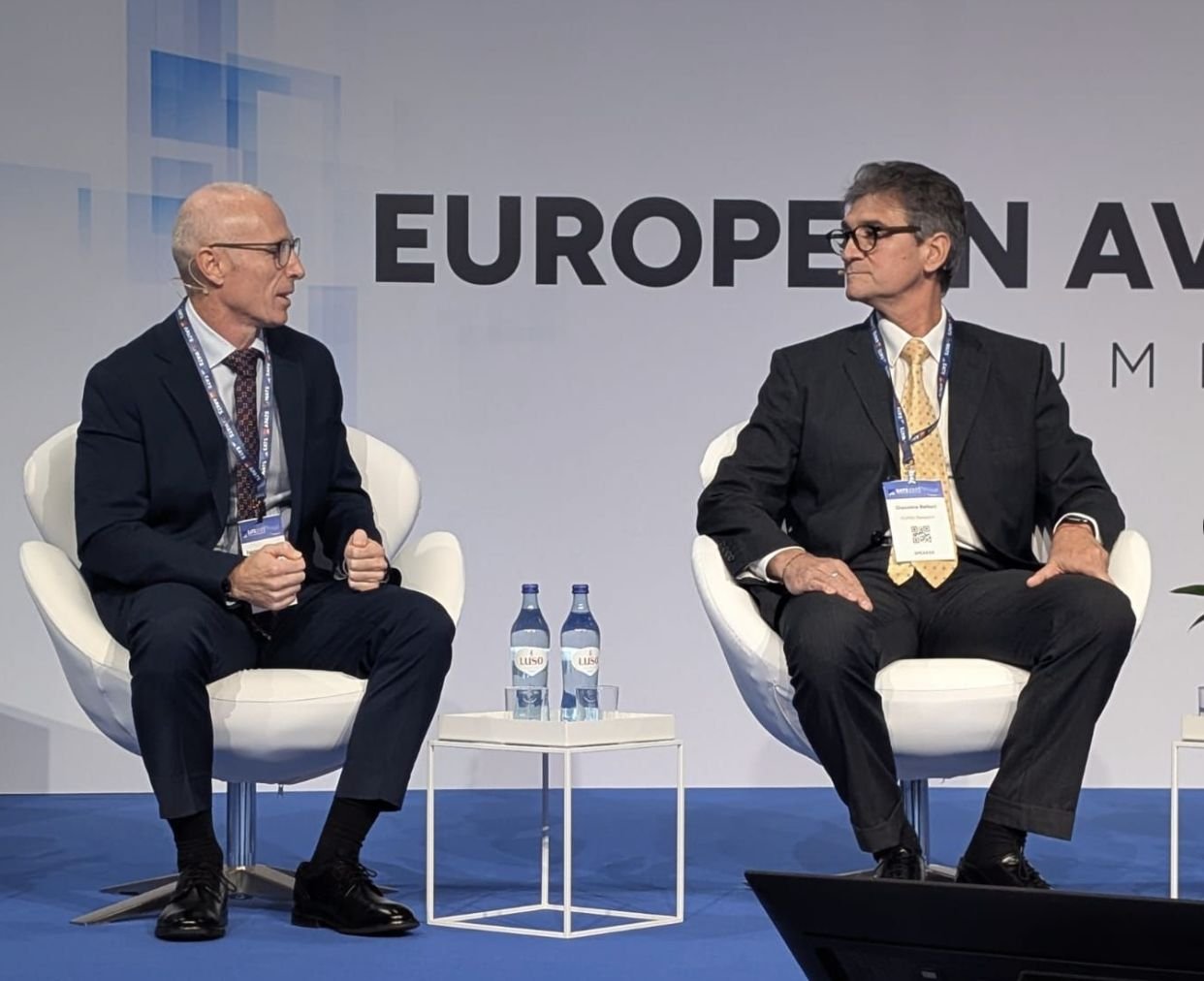
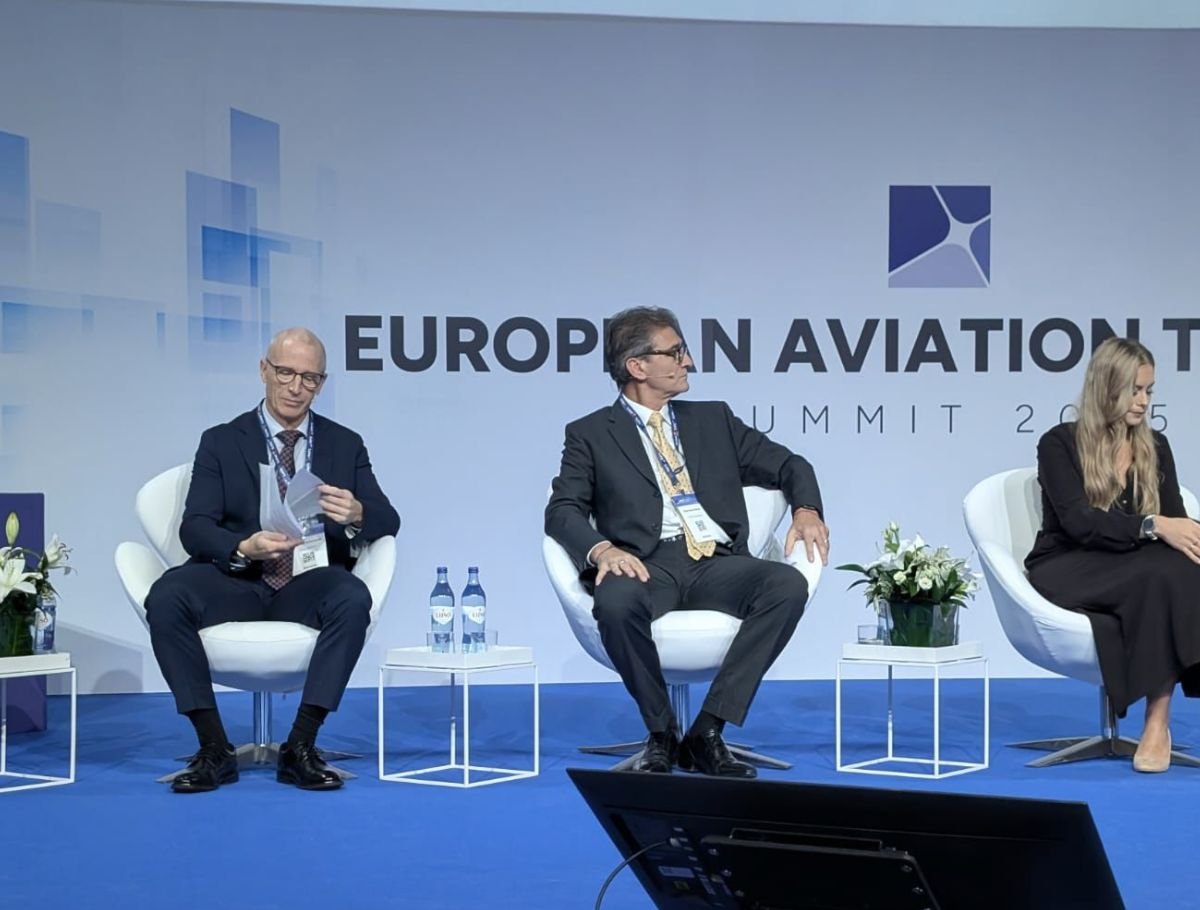
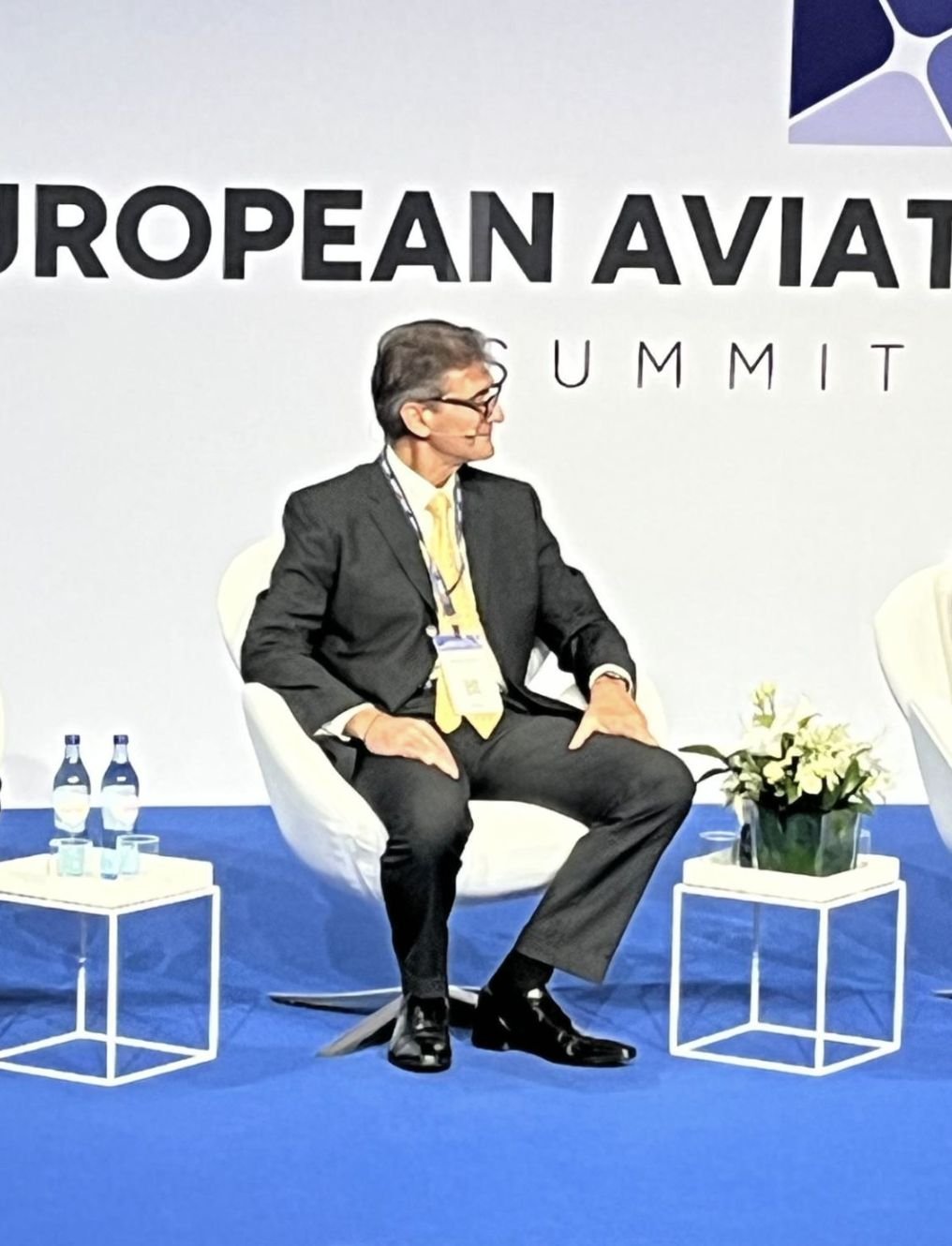
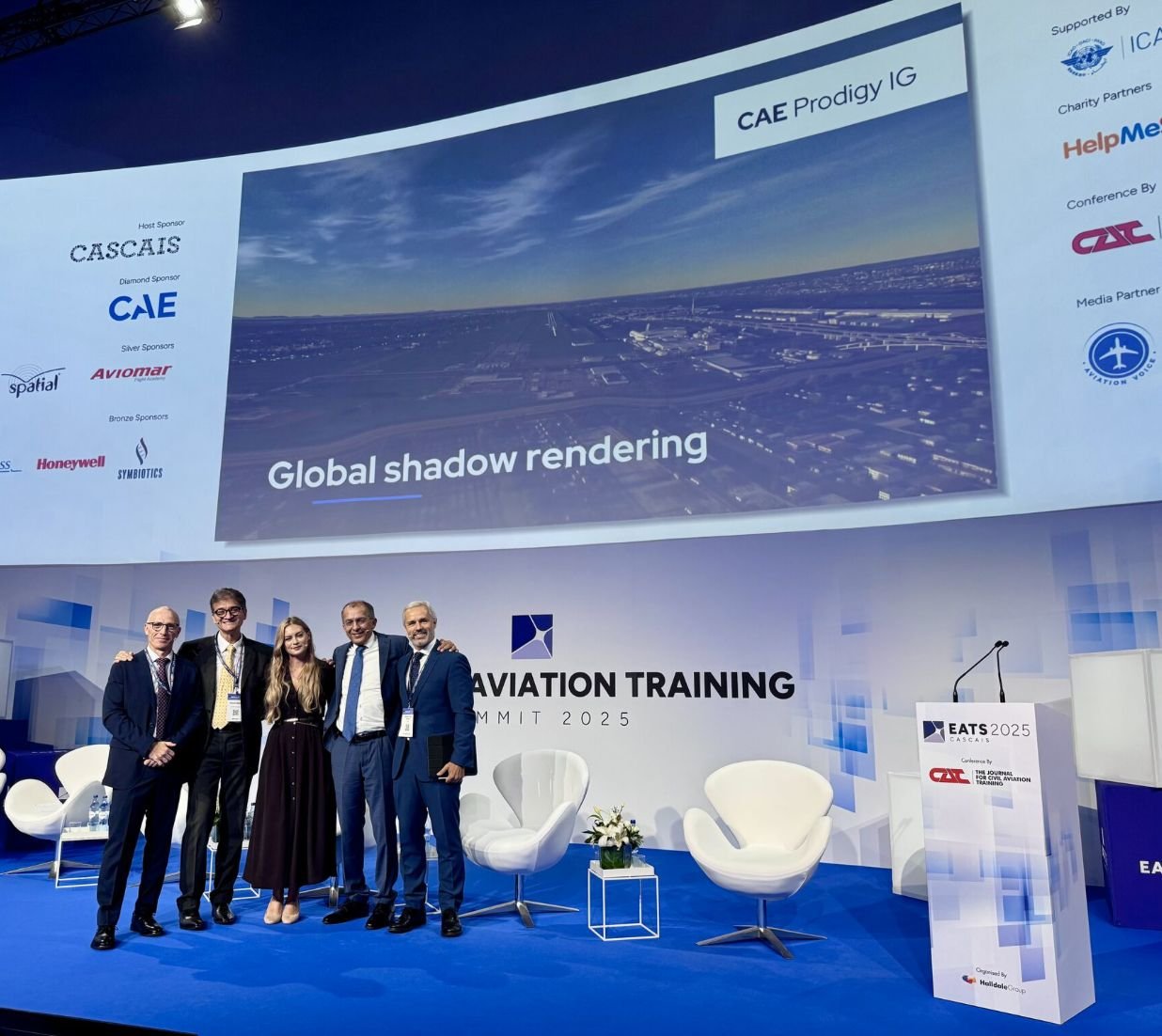
The European Aviation Training Summit is Europe’s leading event dedicated to aviation training. Organised by Halldale Group with the support of ICAO, it brings airlines, training organisations, regulators, simulator manufacturers and researchers together for three days of conference sessions and exhibition. The 2025 edition took place in Cascais, Portugal, from 4 to 6 November.
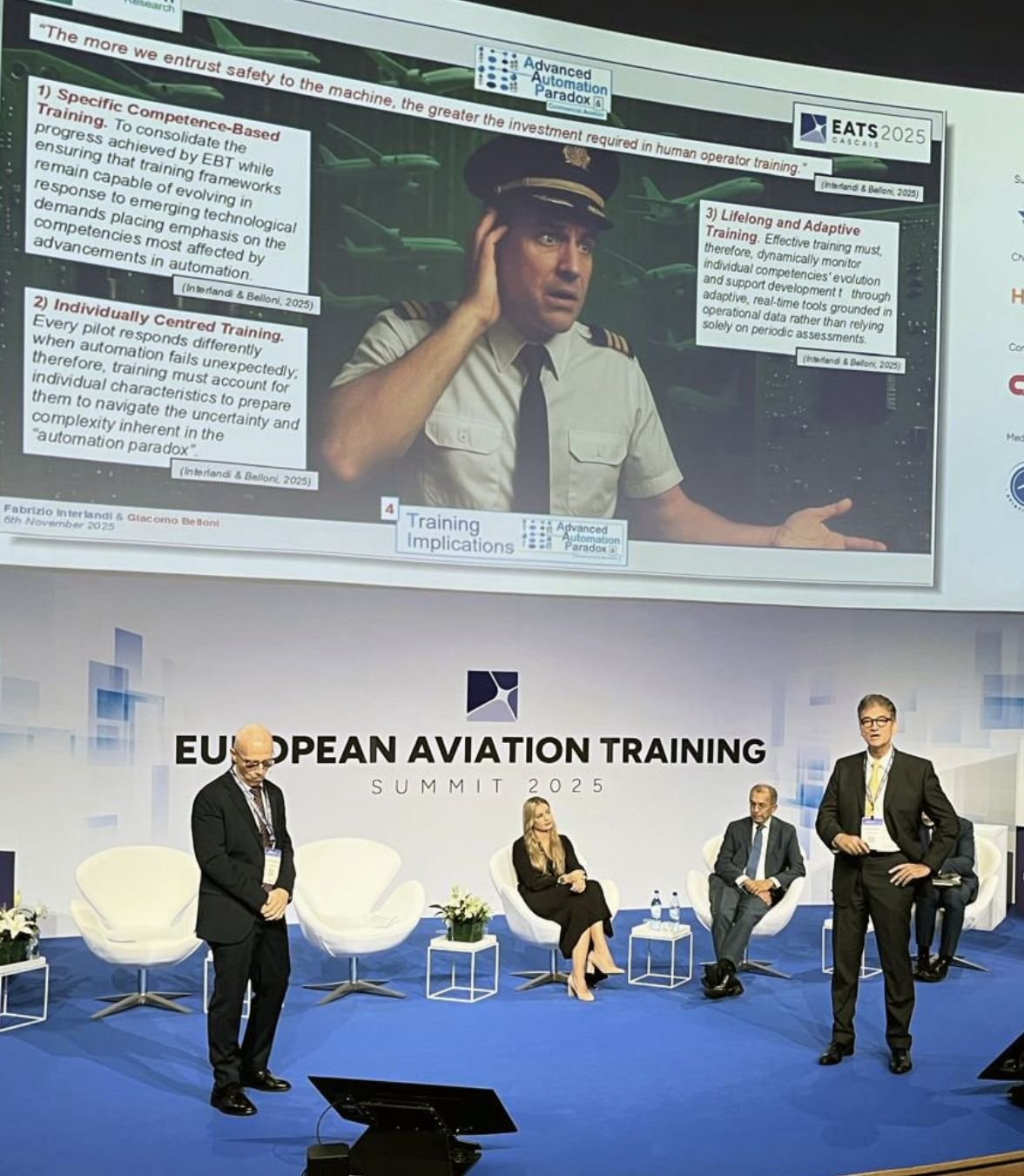
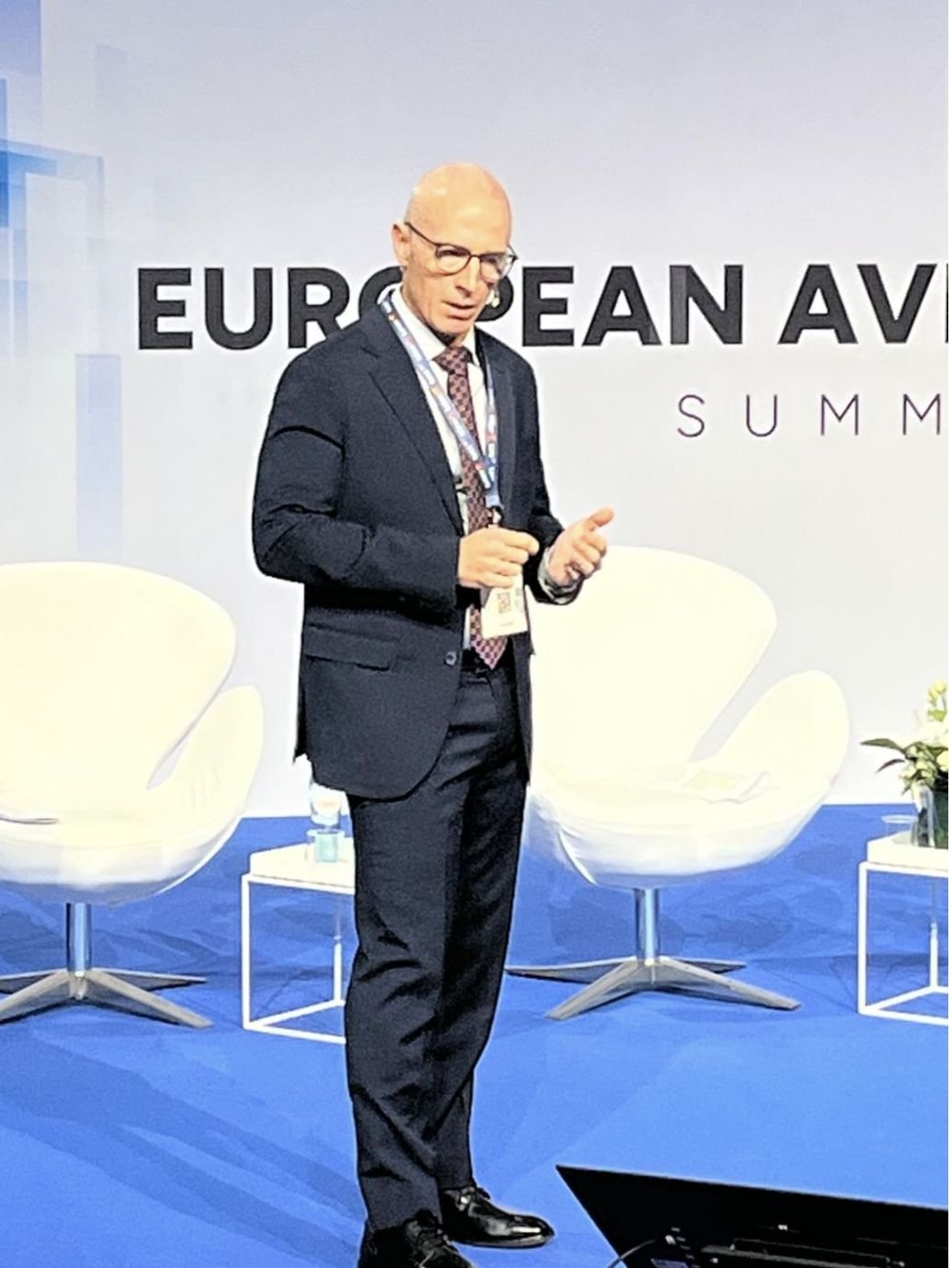
Captain Fabrizio Interlandi and Captain Giacomo Belloni were invited as speakers on behalf of HUMAI Research, and on 6 November they presented their latest work, Advanced Automation Paradox & Commercial Aviation, in the Auditorium.
The talk took Lisanne Bainbridge’s classic “Ironies of Automation” (1983) as its starting point and asked what those ironies mean for today’s flight decks. Advanced and intelligent technologies are very good at recognising patterns and making predictions from historical data, and they improve performance in most conditions. They struggle when events are unexpected, non-linear and without precedent. In those moments the human operator remains the last line of defence, and the only agent able to work through ambiguity, uncertainty and incomplete information.
From there the presentation drew its consequences for training, summed up in one line: the more we entrust safety to the machine, the greater the investment required in human operator training. Three directions were proposed. Training should stay specific and competence-based, consolidating the progress made with EBT while focusing on the competencies most affected by automation. It should be centred on the individual, because every pilot responds differently when automation fails unexpectedly. And it should be lifelong and adaptive, following how each pilot’s competencies evolve through real-time tools grounded in operational data, rather than relying only on periodic checks.
We are grateful to the organisers for the invitation, and to the fellow panellists and the audience for an engaged and thoughtful discussion.