
ISC25 Roundtable, Catania
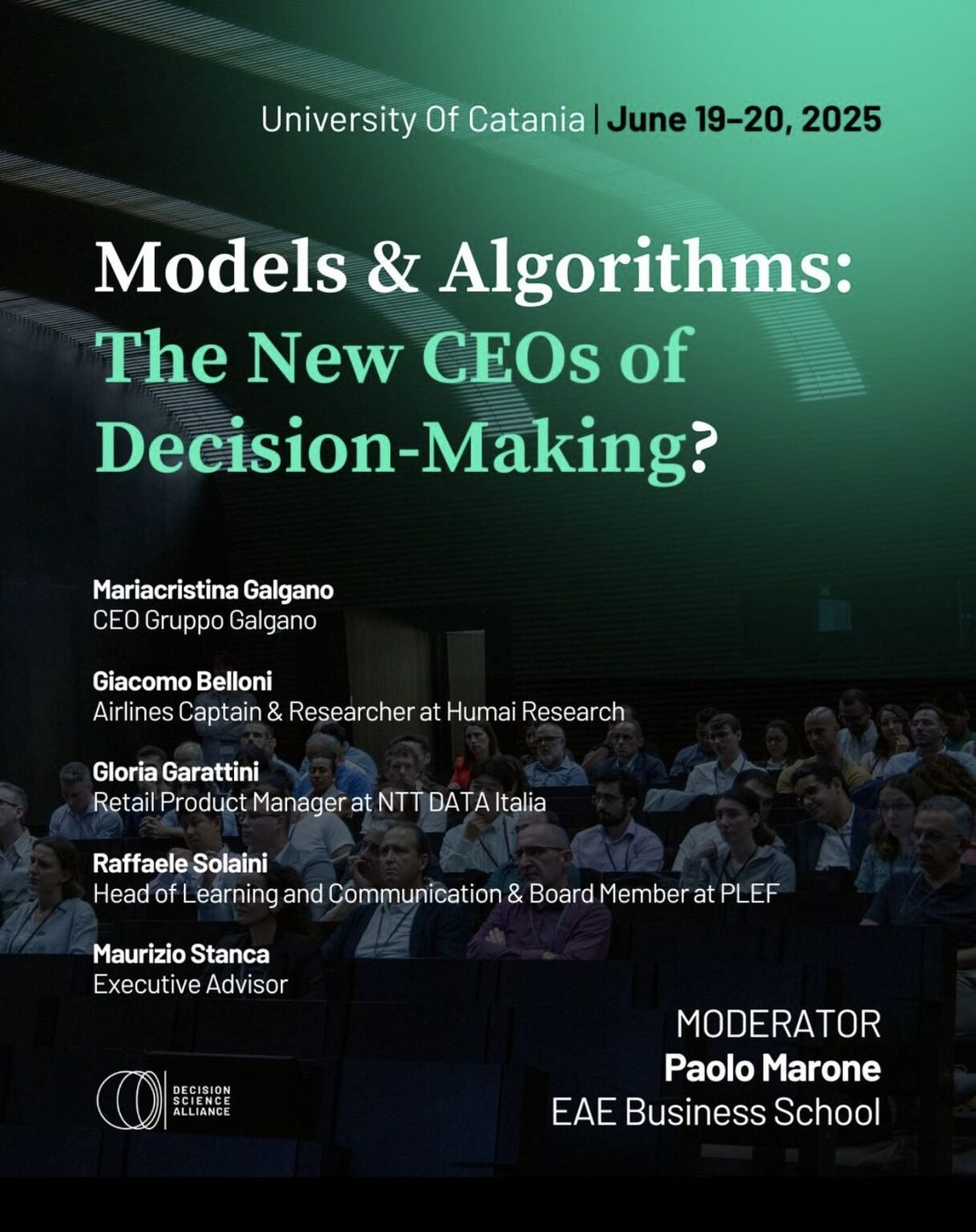
Models & Algorithms: The New CEOs of Decision-Making?

- Dates
- 19–20 June 2025
- Place
- University of Catania, Italy
- Role
- Roundtable panellist
- Roundtable
- Models & Algorithms: The New CEOs of Decision-Making?With Mariacristina Galgano, Gloria Garattini, Raffaele Solaini and Maurizio Stanca; moderated by Paolo Marone
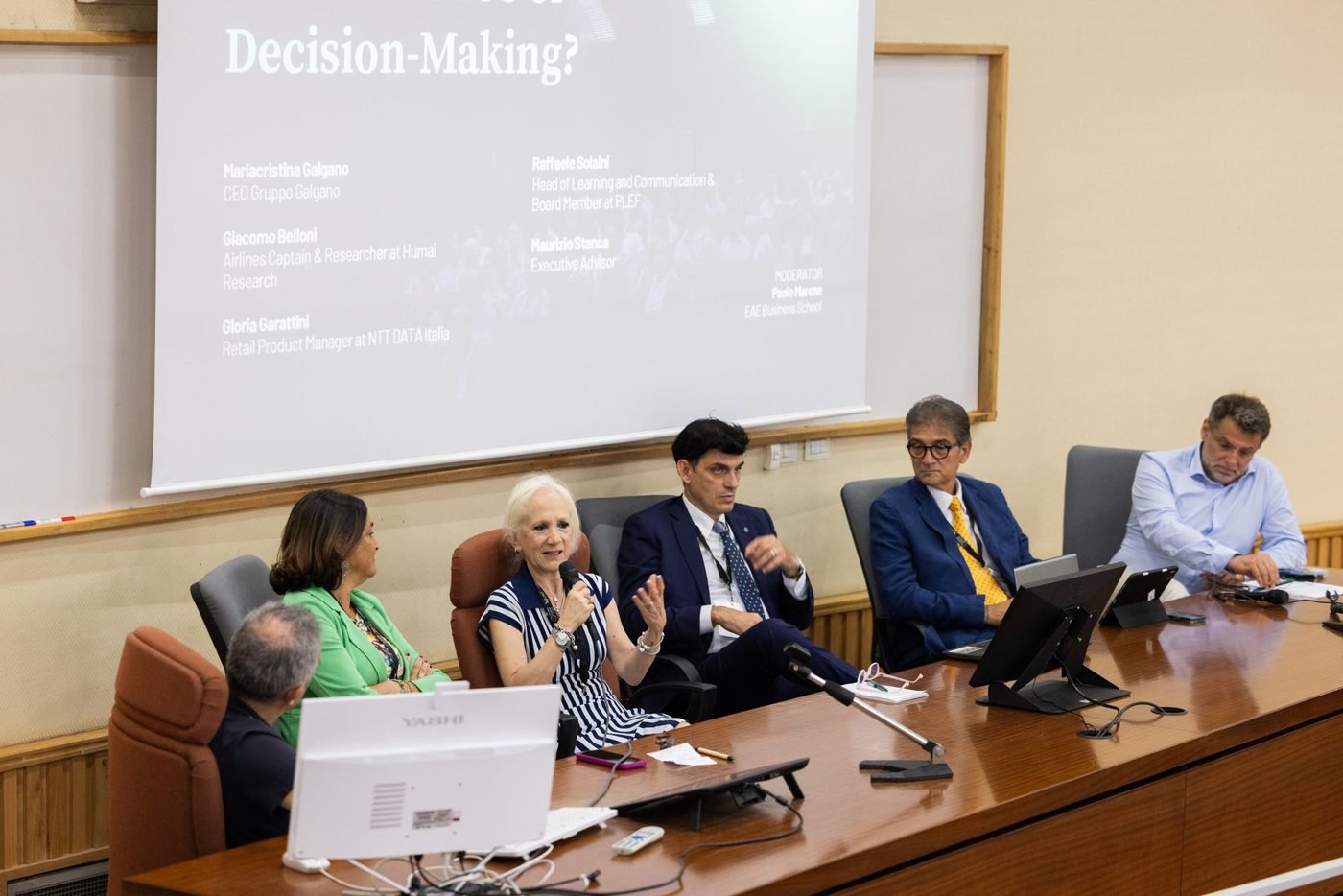

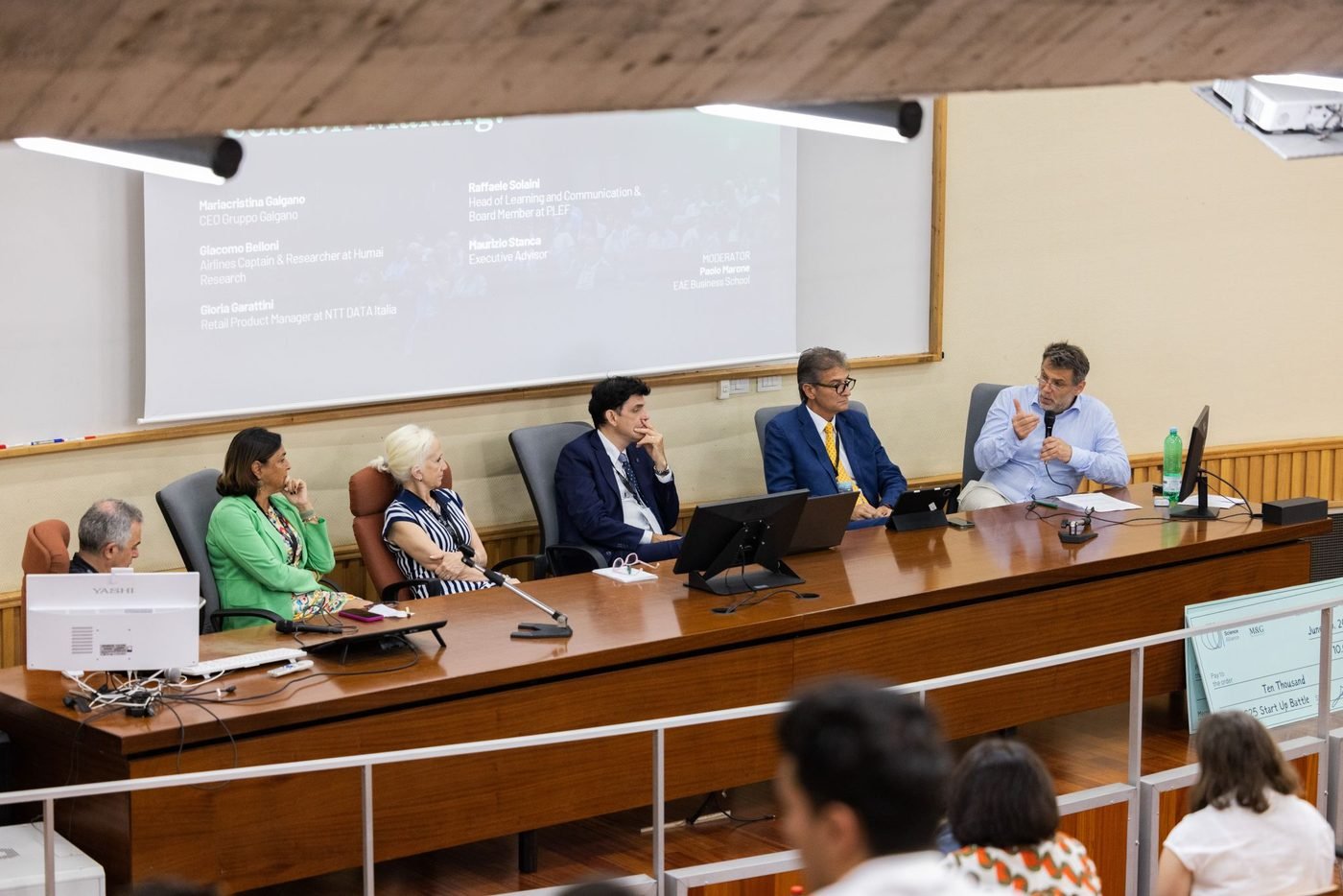
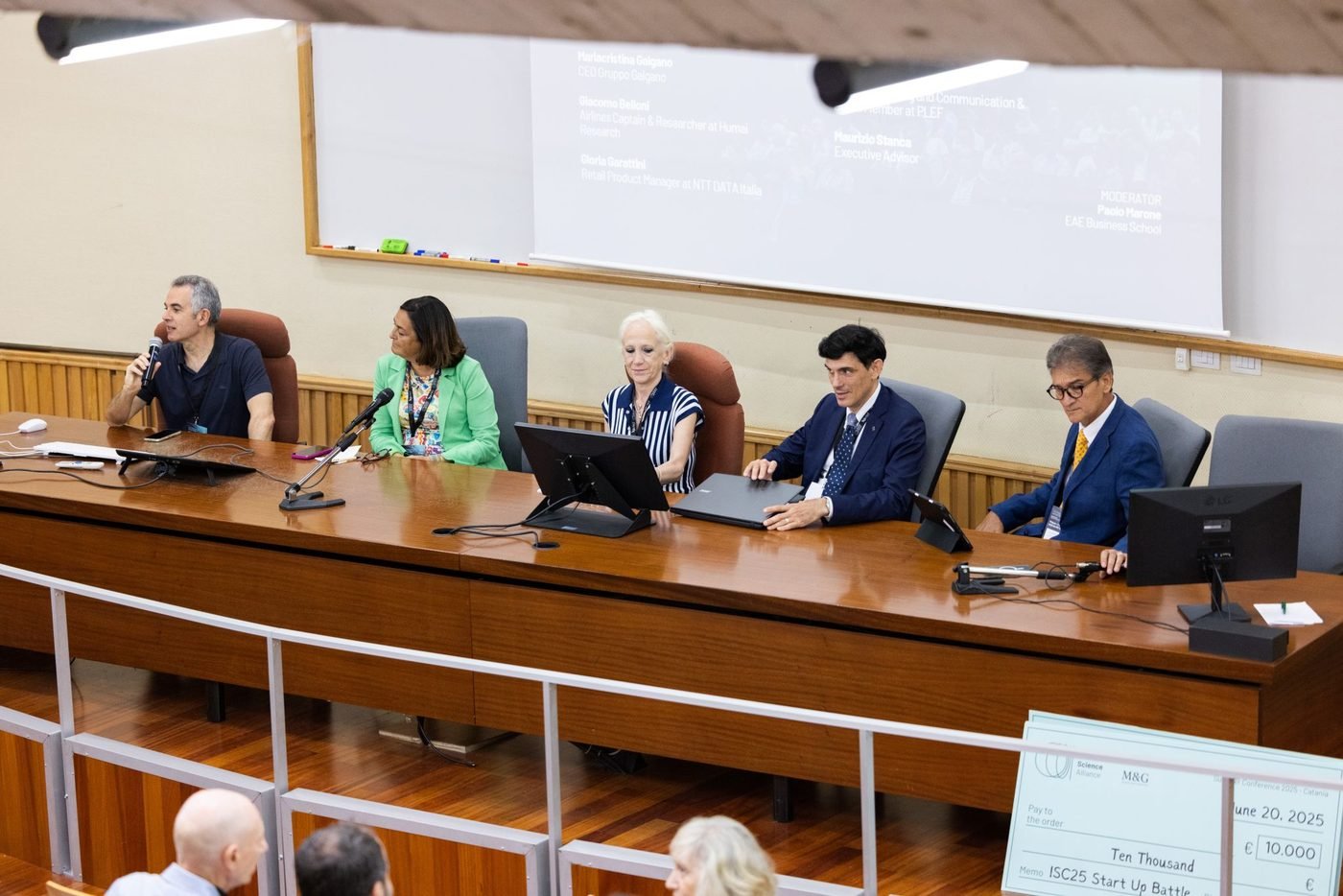
The International Summer Conference of the Decision Science Alliance brings researchers and practitioners together around a question that is becoming urgent in every sector: how decisions should be made when intelligent systems take part in them. The third edition, ISC25, was hosted by the University of Catania on 19 and 20 June 2025 under the title Intelligent Systems & Decision Making: Human Insights in the Era of AI, with the aim of linking academic research to industrial practice.
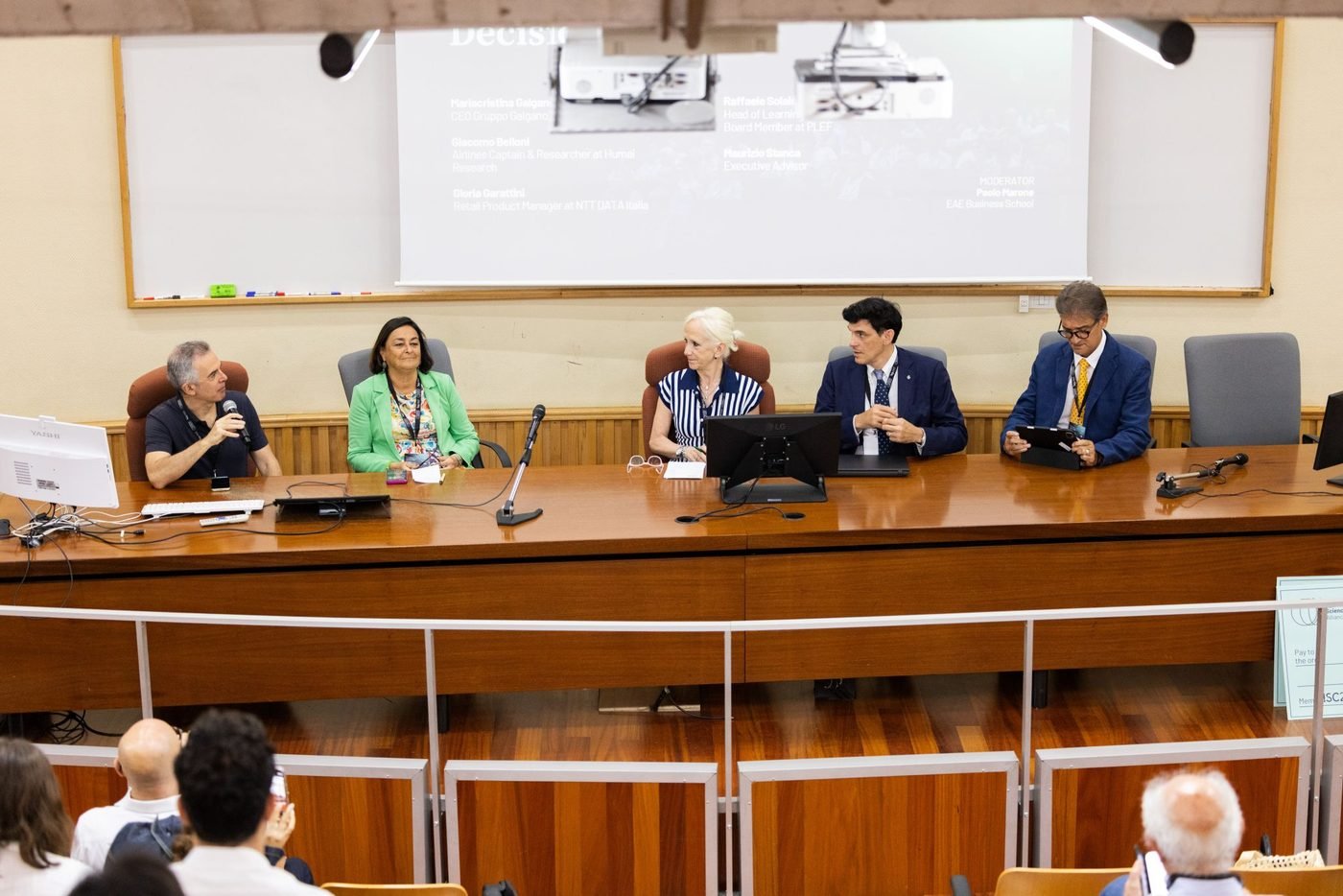
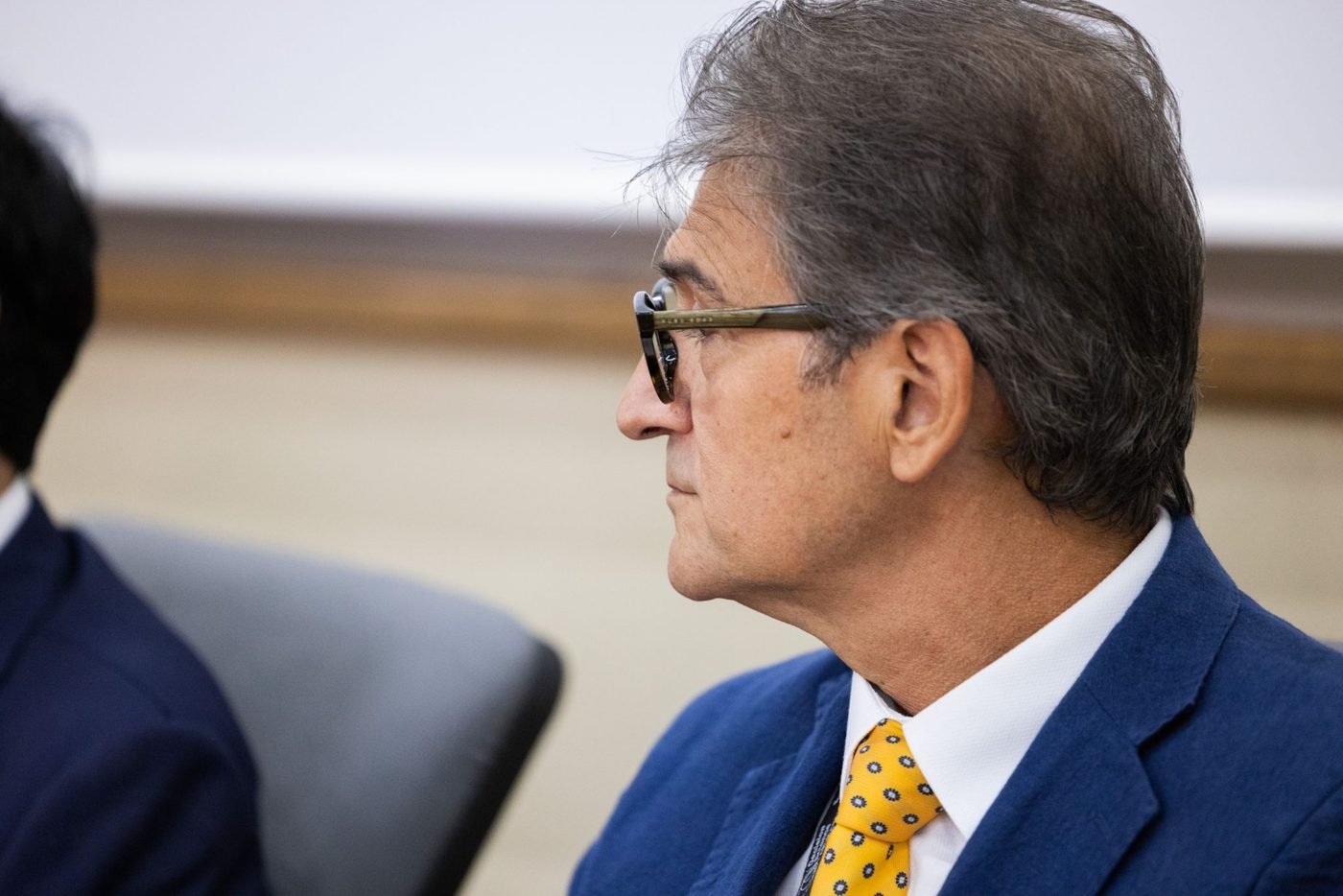
Captain Giacomo Belloni took part, on behalf of HUMAI Research, in the conference roundtable “Models & Algorithms: The New CEOs of Decision-Making?”. Moderated by Paolo Marone of EAE Business School, the panel brought together voices from management consulting, digital services, leadership training and executive advisory: Mariacristina Galgano, Gloria Garattini, Raffaele Solaini and Maurizio Stanca.
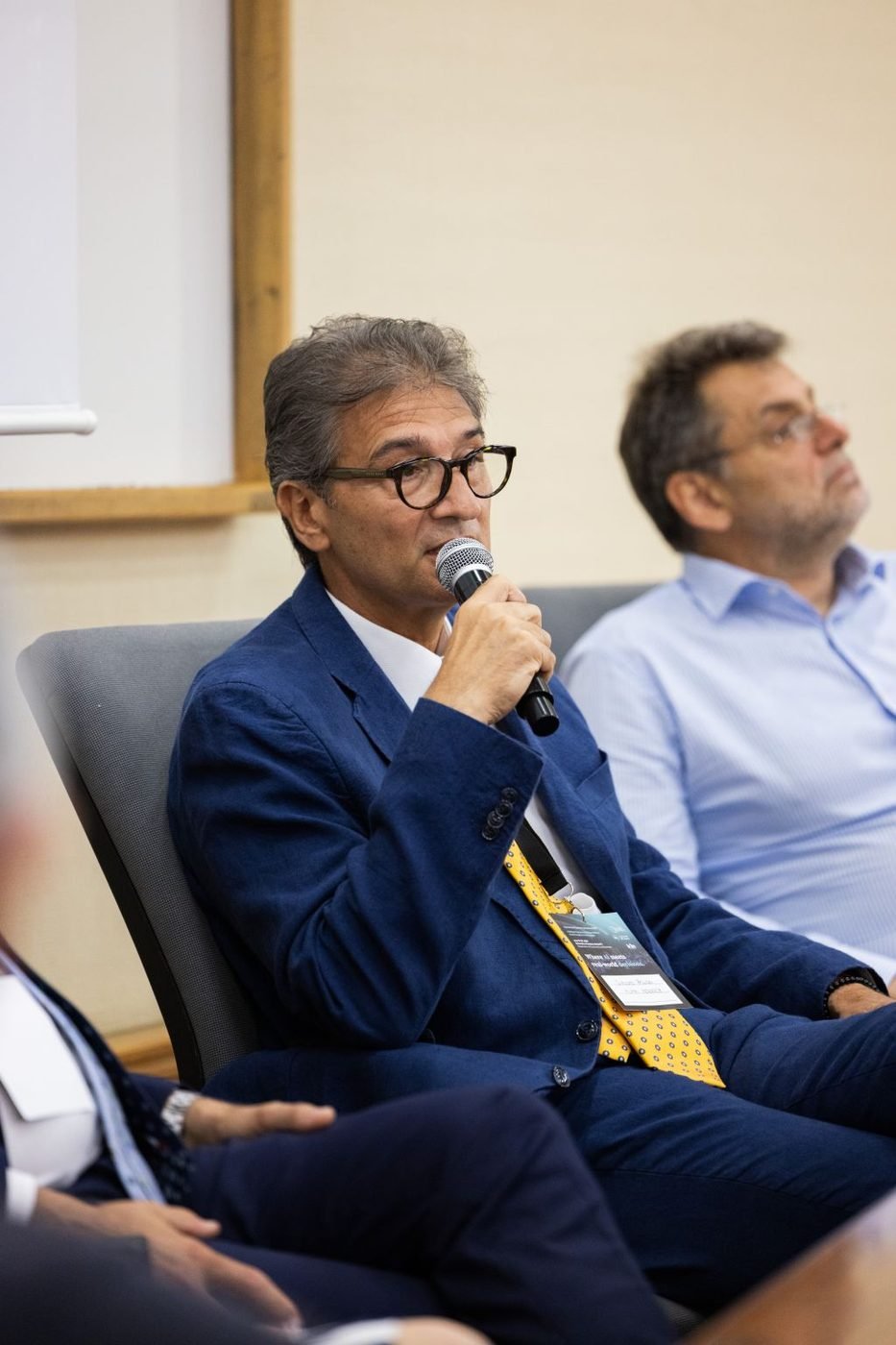
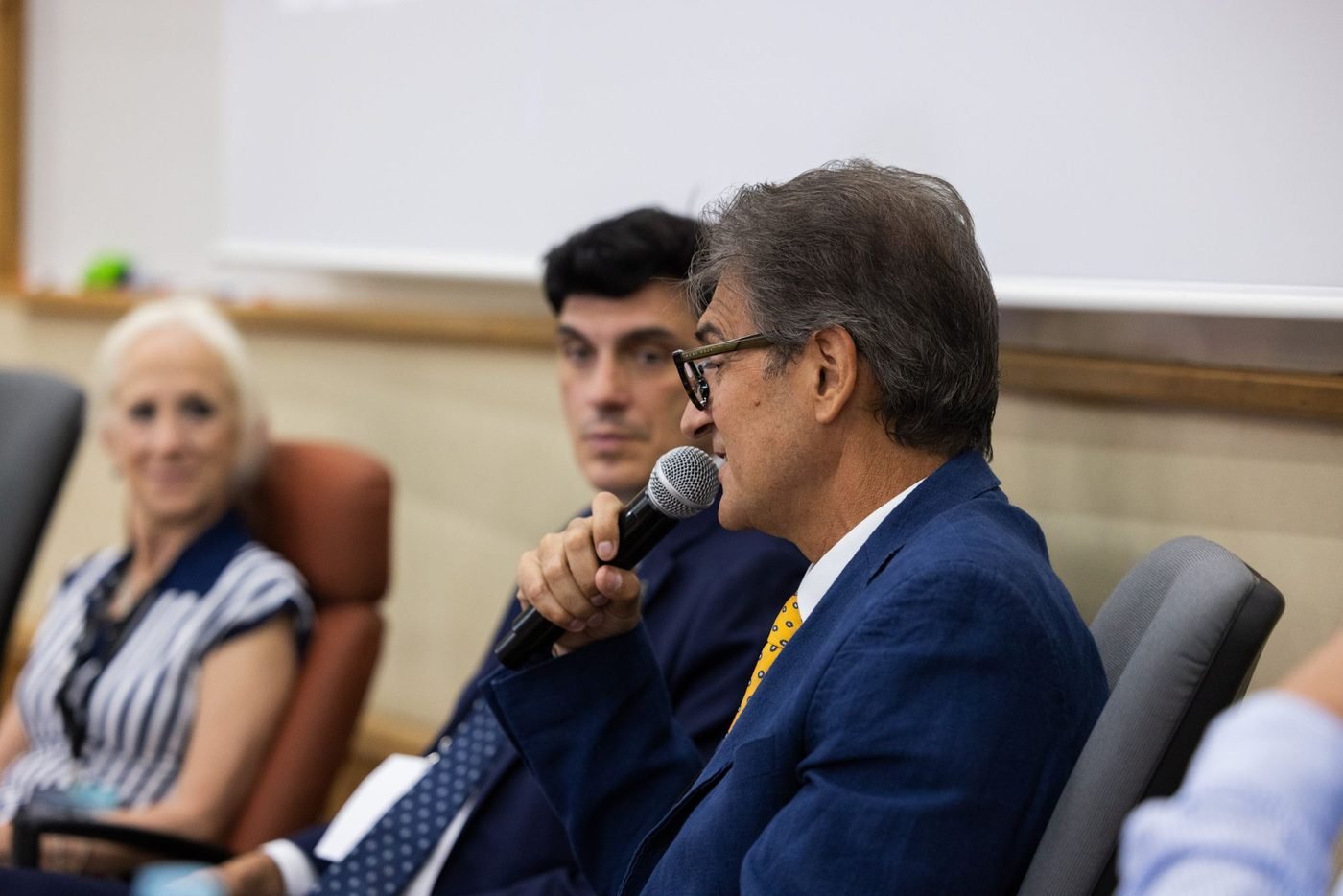
The discussion turned on how far decisions can be handed over to models and algorithms, and on what has to remain human. Giacomo Belloni brought the perspective of the flight deck, where automation has been part of everyday decision-making for decades. That experience shows both sides of the question. Well-designed systems make operations safer and more efficient, yet when the unexpected happens, responsibility and judgement still rest with the people in the loop, and they have to be trained and supported for that moment.
Our thanks go to the Decision Science Alliance and to the University of Catania for the invitation, and to the fellow panellists and the audience for a lively and open exchange.